Quick Answer
Cold cuts battery cranking power by roughly 30-50% and can drop tire pressure by 1 PSI for every 10°F, so a battery that's marginal in summer often fails outright during an Austin freeze. Test your battery's cold cranking amps before winter, check tire pressure at each cold snap, and call (682) 267-0991 for 24/7 jump starts or on-site replacement.
As of January 26, 2026, Austin and Central Texas have experienced significant winter weather impacts ranging from ice storms to dangerous driving conditions. The Austin-Travis County Emergency Operations Center has remained active to coordinate response efforts, and the National Weather Service issued Winter Storm Warnings and an Extreme Cold Warning as freezing rain, ice accumulation, and sub-freezing temperatures continue affecting roads and travel.
This definitive guide provides current weather updates, exact dates and times of critical winter events, practical winter tire and battery recommendations, driving safety advice, local Austin events through February 2026, and actionable tips to keep you safe on Central Texas roads.
Austin Winter Weather — Latest Forecast & Conditions
Current Situation — Monday, January 26, 2026
- • Extreme Cold Warning and Winter Storm effects continue in Austin and surrounding areas
- • Icy conditions persist and refreeze overnight
- • Officials advise avoiding travel unless absolutely necessary due to ice on roads and bridges
Storm Timeline Details
January 23, 2026 (Noon)
Austin-Travis County Emergency Operations Center activated ahead of winter weather with disaster declarations in effect
January 24–25, 2026
Winter precipitation resulted in hazardous ice on roadways; multiple business closures due to unsafe travel conditions
January 25–26, 2026
Ice and sleet continue; refreezing overnight and daytime temperatures below freezing maintain slick roads
January Averages
Normal highs ~59°F, lows ~42°F — well below average during current storm conditions
Winter Driving Risks in Austin
Key Road Hazards This Winter
Freezing Rain & Black Ice
Even light ice can dramatically reduce tire traction. Bridges and overpasses freeze first, and thin, transparent black ice can go unnoticed until traction is suddenly lost. This is especially dangerous on I-35, MoPac, and Highway 183.
Sleet & Snow Accumulation
Sleet-coated roads build rough, uneven surfaces that reduce tire grip. During this storm cycle, ice accumulation of one-tenth to one-quarter inch affected many areas across Travis County.
Refreezing Cycles
Daytime melting followed by night freezing creates unpredictable patches of ice on pavements. Roads that appear clear in afternoon can become treacherous after sunset.
Austin Vehicle Winter Preparedness: Tires & Batteries
Recommended Winter Tire Strategy
In Central Texas, winter events like this one (January 23–26, 2026) remind drivers that better traction starts with suitable tires. Winter-rated tires maintain pliability in temperatures below 45°F and improve grip on ice and snow.
Top Winter Tire Options for Austin Drivers
- • Michelin X-Ice Snow Series — Excellent ice grip, long tread life
- • Bridgestone Blizzak WS90 — Industry-leading snow and ice traction
- • Continental VikingContact 7 — Superior wet and ice performance
- • Nokian Hakkapeliitta R3 — Premium winter compound technology
Cold Weather Battery Choices for Austin
Cold temperatures significantly reduce battery cranking power. For winter reliability in Central Texas, consider batteries with higher Cold Cranking Amps (CCA) suited for sub-freezing starts.
Recommended Battery Types
- • Optima YellowTop — Enhanced cold performance, deep-cycle capability
- • Odyssey Extreme Series — High CCA ratings for extreme conditions
- • Interstate Mega-Tron Plus — Reliable Texas-proven performance
- • DieHard Platinum AGM — Long-lasting cold weather reliability
Battery Maintenance Tips
- Test battery health before winter begins
- Replace units older than 3 years proactively
- Ensure secure terminals and clean connections
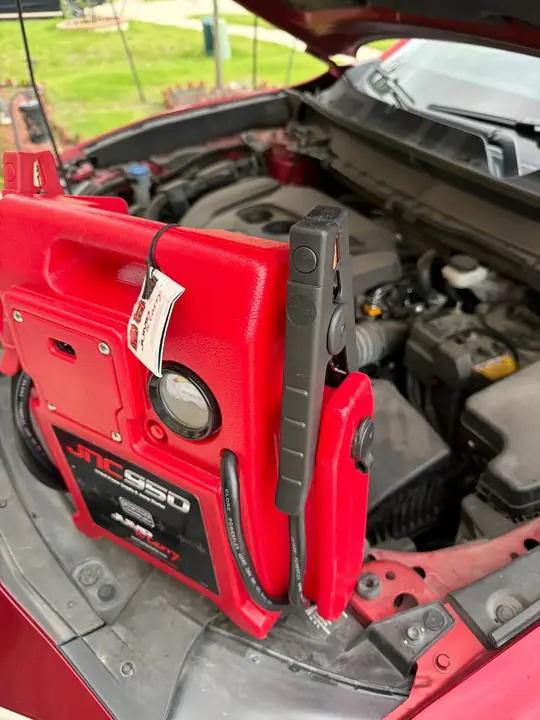
- Carry a portable battery jump-starter for emergencies
Austin Winter Driving Safety Checklist
Pre-Trip Winter Safety
- • Check weather and traffic alerts before departure
- • Avoid unnecessary travel during ice freeze/refreeze cycles
- • Ensure tires are properly inflated (cold weather reduces pressure)
- • Test battery charge and connections
- • Clear ice from windows, mirrors, wipers, and headlights
On the Road
- • Slow down below posted speeds on icy surfaces
- • Increase following distance for extra stopping room
- • Use gentle acceleration and braking
- • Avoid cruise control in slick conditions
- • Steer gently—no sudden movements
Vehicle Emergency Kit Must-Haves
- • Ice scraper and snow brush
- • Jumper cables or portable jump starter
- • Flashlight with extra batteries
- • Blankets, gloves, warm clothing
- • Non-perishable snacks and bottled water
- • Reflective flares or warning triangle
- • Sand or cat litter (for traction if stuck)
- • Phone charger and first aid kit
The Cold Cranking Amp Math Behind Winter No-Starts
Every battery is rated in Cold Cranking Amps (CCA)—the amperage it can deliver for 30 seconds at 0°F while maintaining at least 7.2 volts. That rating isn't static: as temperature drops, the chemical reaction inside the battery slows down and available power drops with it.
| Temperature | Available Cranking Power |
|---|---|
| 80°F | 100% |
| 32°F | ~65% |
| 0°F | ~50% |
| -20°F | ~40% |
Meanwhile, cold engine oil thickens and demands more torque to turn over—so right when your battery has less to give, your engine needs more from it. A battery rated at 600 CCA that's already lost 20% of its capacity to age can easily fail at 20°F even though it started fine all summer. This is exactly why we field a spike in battery replacement calls during the first hard freeze of the season, not during the coldest week of it.
What Actually Kills a Battery Below Freezing
Freezing rarely kills a healthy battery outright—it exposes one that was already weak. Three mechanisms combine during an Austin ice event:
- • Reduced chemical activity: the sulfuric acid electrolyte reacts more slowly at low temperatures, cutting usable capacity.
- • Increased internal resistance: aging plates and sulfation buildup add resistance that gets worse in the cold, on top of already-reduced output.
- • Higher starting load: cold engine oil and, in some cases, block heaters or seat heaters left running add electrical demand at the worst possible moment.
A fully discharged lead-acid battery can also freeze solid around 20°F, versus roughly -60°F for a fully charged one—which is why a battery that's already struggling in December can crack its case during a January freeze if it's never brought back to full charge.
Texas Ice Events: Historical Context
Central Texas ice storms aren't rare, even if each one feels unprecedented. February 2021's Winter Storm Uri brought sustained sub-freezing temperatures and rolling power outages across the entire state, including Austin. Smaller freezing rain events hit the I-35 corridor in most winters between December and February, and each one produces the same pattern: a surge in dead-battery calls in the 24-48 hours after temperatures first drop below freezing, followed by a second wave once roads refreeze overnight.
The lesson from past events is consistent: batteries and tires that are already marginal fail during the first cold snap, not necessarily the coldest one. Testing your battery in November, before the first hard freeze, catches most winter no-starts before they strand you.
Tire Pressure Loss: About 1 PSI per 10°F
Tire pressure follows the gas laws: as air inside the tire cools, it contracts and pressure drops—roughly 1 PSI for every 10°F drop in ambient temperature. During this storm cycle, a swing from a 55°F afternoon to a 25°F overnight low is a 30°F change, which can mean a 3 PSI drop overnight alone.
That's often enough to trigger a TPMS warning light without any actual leak. Check pressure when tires are cold (before driving) and add air to the recommended PSI listed on your door jamb sticker—not the number printed on the tire sidewall, which is the maximum, not the recommended figure.
Why Bridges on MoPac, I-35, and 360 Ice First
Bridges and overpasses on MoPac Expressway, I-35, and Loop 360 cool faster than the roads leading up to them because they lose heat from both the top and bottom surfaces, with no ground insulation underneath. That means a bridge deck can be coated in black ice while the approach road still looks merely wet.
- • MoPac Expressway: elevated sections near Lady Bird Lake and the Y at Oak Hill freeze first due to wind exposure.
- • I-35 mainlanes and frontage bridges: heavy truck traffic can polish ice smooth, making it nearly invisible.
- • Loop 360 (Capital of Texas Highway): hilly, shaded sections near the Colorado River bridges hold ice longest into the afternoon.
Treat every bridge and overpass as icy during freezing conditions, even if the road looks clear—reduce speed well before you reach it, not while crossing it.
Austin Local Events Calendar (Jan–Feb 2026)
While winter weather remains top of mind, here are community events and activities happening in Austin. Always verify event status during severe weather conditions.
January 15 – February 15, 2026
Free Week Austin — Annual celebration of local music at multiple venues around the Red River Cultural District
January 26, 2026
Austin ISD Schools & Offices Closed — Winter weather response; road conditions considered unsafe for travel
February 15, 2026
Austin Marathon, Half Marathon & 5K — Citywide running event with race start times typically in the morning hours
Ongoing
Live Music & Art Exhibits — Seasonal events across downtown and neighborhood venues; check local listings for safety status
Important: Severe winter weather may impact event schedules — always check with official event pages before attending.